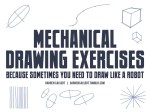
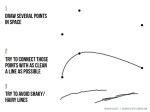
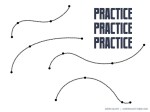
People often say to me: “You draw like some kind of inhuman machine. If I eat your brain, will I gain your power?” The answer is yes, but there is another way.
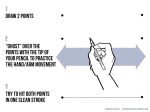
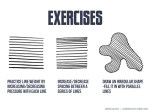
The key to precise drawing is building up muscle memory so that your arm/hand/fingers do the things you want them to do when you want them to do them. Teaching yourself to draw a straight line or to make sweet curves is just a matter of practice and there are some exercises you can do to help improve.
If you’re going to be doodling in class or during meetings anyway, why not put that time to good use?
This is so important to mention to all artists. The reason PRACTISE improves drawing ability over time is it increases the literal, technical movement in your hands and arms through /muscle memory/.
THIS IS VERY GOOD, to all the people that like my lines. I do similar but less constructed doodles like these in my sketchbook all the time, it basically just teaches your hand how to move
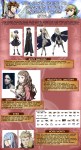
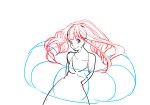
remember these, kids? they used to be so popular on deviantART way back in like 2008 and i remember i used to be so pumped about doing one, though i never really did. so, last night i even had a dream about doing one of these, so i put together some scenarios and here we are, haha! feel free to reblog or save the template for yourself if it catches your fancy!
please tag your finished meme as harteus meme so that i and others can find your artwork easily and collected. ❤
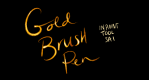
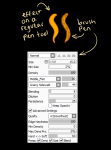
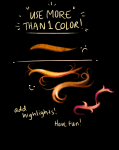
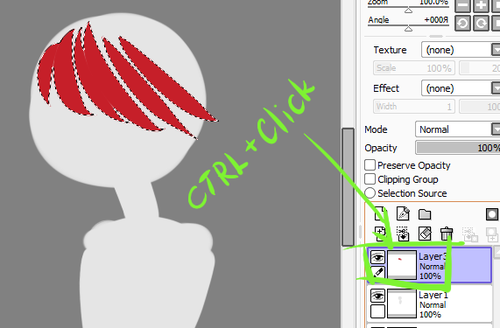
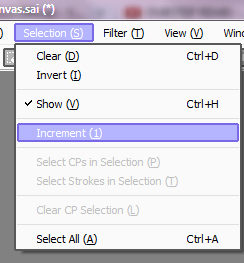
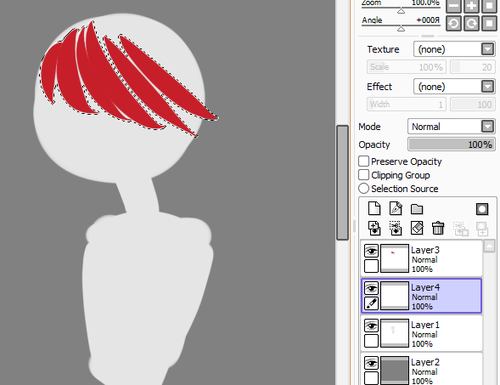
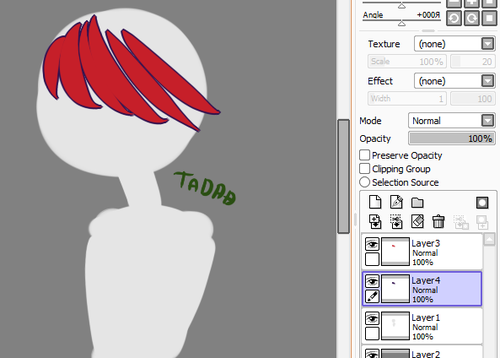
on a whim I decided I’d put this together, because it’s a fun trick ive picked up from using the same version of SAI for years
this is in NO way an acceptable substitute for learning how to paint gold, btw. it’s also most effective when drawing thin lines, like accents, or lettering
i think this technique is best when used sparingly, but you do you
Again please excuse my rough drawings ;;; here is a quick and basic explanation!
While I believe everyone has their own methods to drawing creases and folds, here is one I usually follow. I don’t concentrate on details much but I focus on the general shapes of the folds- we all understand that cloth overlaps each other when it creases and such. My instructors had taught me its all about the triangles.
Whenever there is a tension in the cloth, it creates a focal point to that area that is causing the tension. All these creases basically form shapes like triangles! For example:
Holding up a cloth with two hands, all the tension areas are drawn to the hands holding up the cloth. See all the tension points creating triangular crease shapes?
Another example with shirts- if someone is wearing a tight shirt, the arm hole usually hugs around the arm pit more. (thats why you can tell if you are comfortable or not if you can move your arm around in a sleeve). With a baggy shirt, tension is created with the object holding the fabric up, and gravity is pulling down on the sleeves.
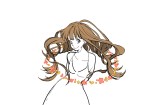
Its easy to get way too focused on the detailing of creases- let loose a bit! Don’t worry about making the perfect crease and fold or else you might end up a whole sleeve of unnecessary creases (unless if you are intentionally drawing a large baggy sleeve that makes a lot of creases).
Here are some photo examples~ this is one of Robert Downey Jr. because he is lovely to look at :>
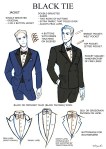
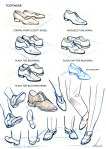
I’ve been studying the classic black tie dress code (mainly from here) so I thought I could share my notes. Maybe they can be helpful to someone else, too. If I made any mistakes or things are really confusing please tell me. I also have some notes on white tie which I could share as well…